By Dan Perkins
September 29, 2026
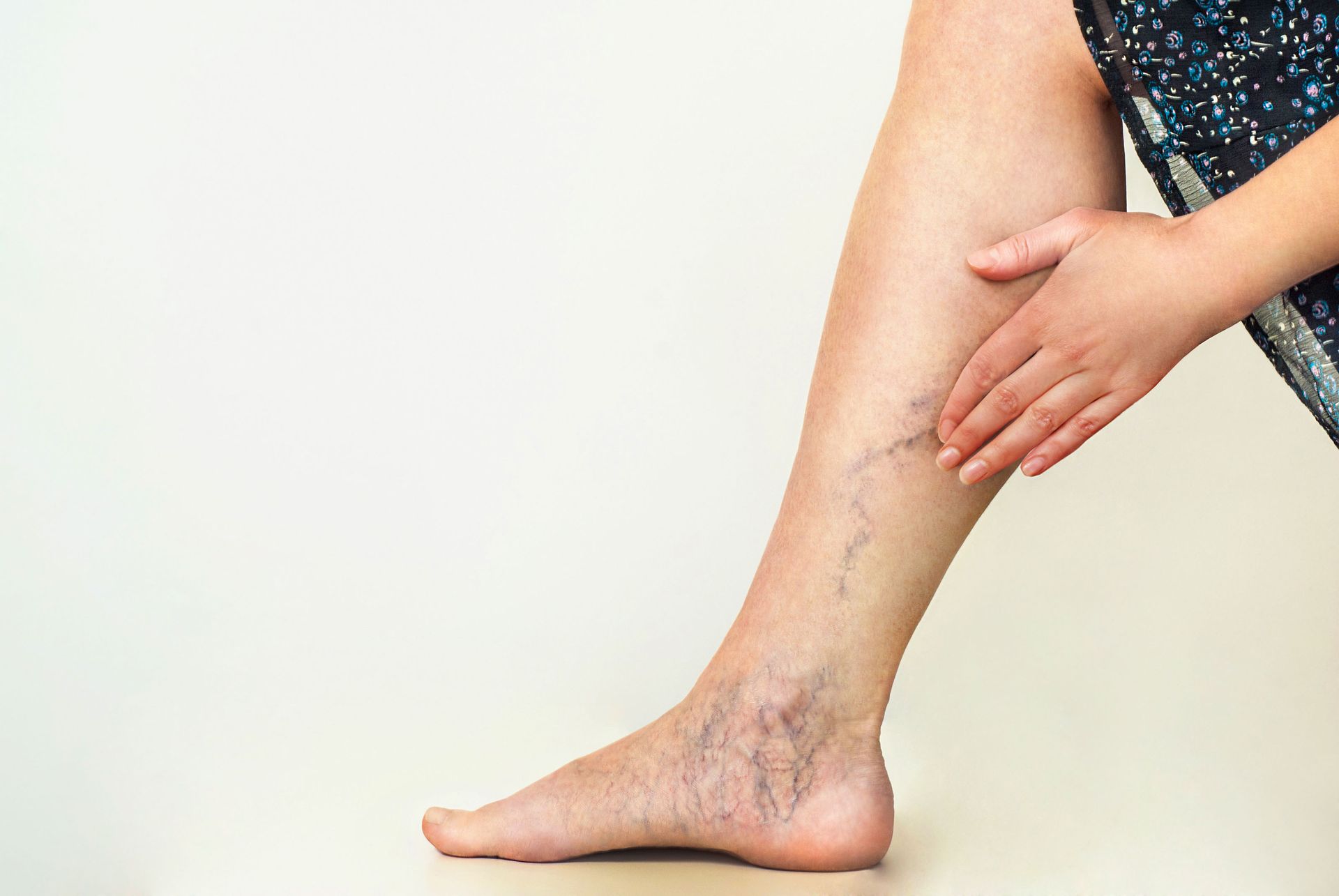
Proper vascular health is an essential part of overall physical well-being, yet many people struggle with poor leg circulation without realizing how manageable the condition can be. Daily movement, sitting for long periods, or standing on hard surfaces can cause fluid to accumulate in the lower extremities, leading to heaviness, aching, and persistent swelling. Compression garments offer a practical, non-invasive method to encourage steady movement of blood back toward the heart, helping maintain healthy vascular pressure throughout the day. By applying controlled, graduated pressure to the limbs, these items support veins and muscle tissue, making daily activities significantly more comfortable. Exploring how high-quality medical equipment improves daily circulation reveals why so many individuals rely on structured pressure support for long-term health and mobility.
Understanding the Mechanics of Graduated Compression
The primary function of compression wear centers around the concept of graduated pressure, which means the tightest force is applied at the ankle and gradually decreases as the garment moves up the leg. This specific design counteracts the pull of gravity, which naturally tries to pool blood and lymph fluid in the feet and lower calves. When veins experience reduced elastic tension, internal valves can struggle to close completely, allowing fluid to backflow and collect in the lower legs. Utilizing appropriate medical equipment provides the external structure needed to assist these veins, encouraging blood to move efficiently upward. As a result, tissue pressure stays balanced, preventing fluid leakage into surrounding muscles and joints throughout long workdays or travel schedules.
Reducing Swelling and Fluid Retention in the Legs
Leg swelling, clinically referred to as edema, occurs when fluid becomes trapped in the body tissues, most commonly affecting the lower extremities after hours of inactivity or prolonged standing. Over time, chronic swelling can cause discomfort, skin irritation, and a heavy feeling that turns routine walking into a strenuous chore. Incorporating support garments into a daily routine gently compresses these tissues, facilitating the reabsorption of excess fluids into the lymphatic and circulatory systems. Accessing the right medical equipment allows users to control morning-to-evening fluid changes effectively, maintaining normal leg contours and preventing the skin tightness associated with localized fluid accumulation.
Boosting Oxygen Delivery and Nutrient Flow
Efficient blood circulation is crucial not only for returning fluid to the heart but also for delivering fresh oxygen and essential nutrients to active muscles and skin tissues. When circulatory speed slows down, metabolic waste products can build up in the extremities, causing muscle fatigue, soreness, and localized inflammation. Consistently wearing supportive garments helps maintain an optimal rate of blood flow, ensuring that deep tissue structures receive a continuous supply of oxygenated blood. Integrating well-fitted medical equipment into daily activities ensures that muscle tissues stay nourished and less prone to sudden fatigue, whether during routine daily chores, work shifts, or extended walks.
Preventing Venous Disorders and Deep Vein Thrombosis
Maintaining strong venous return is vital for preventing long-term vascular complications, such as varicose veins, chronic venous insufficiency, and blood clots. According to the CDC, nearly 70% of healthcare-associated venous thromboembolism cases may be prevented through measures like compression stockings. When blood stagnates in sluggish veins, the risk of clot formation increases significantly, making routine circulatory management a crucial priority for long-term safety. Relying on certified medical equipment helps ensure that blood keeps moving continuously through deep vein pathways, significantly reducing the likelihood of dangerous stagnation and supporting overall cardiovascular stability.
Supporting Mobility and Muscle Stability
Beyond fluid balance and vascular health, structured compression garments provide physical support to the soft tissues of the lower legs. Muscle vibration during walking or standing can contribute to physical fatigue and joint strain over time, making movement feel far more exhausting than it should. By stabilizing the calf muscles and supporting surrounding tendons, these garments reduce muscle fatigue and improve joint awareness during movement. Choosing suitable medical equipment enables individuals to remain active for longer periods, promoting an active lifestyle that naturally encourages better systemic circulation through muscle pump activation.
Managing Prolonged Standing and Sedentary Schedules
Modern work environments often require either continuous standing on hard concrete floors or hours of uninterrupted sitting at an office desk. Both extremes present distinct challenges to the circulatory system, as the natural calf muscle pump remains idle for extended periods, allowing fluid to gather in the lower legs. Wearing graduated support garments during these long shifts creates continuous, passive pressure that keeps blood moving even when physical movement is restricted. Incorporating reliable medical equipment into daily work attire helps professionals avoid the intense fatigue, aching legs, and swelling that typically follow long work hours.
Accelerating Physical Recovery After Daily Effort
For individuals who spend their days engaging in demanding physical labor or brisk physical exercise, post-activity recovery is essential for ongoing comfort and movement. Muscle tissue experiences minor micro-tears during strenuous effort, leading to temporary swelling and localized soreness that can impede mobility the next morning. Utilizing support garments immediately after strenuous tasks encourages the rapid removal of metabolic byproducts like lactic acid while keeping inflammation in check. Incorporating proper medical equipment into an evening routine helps ease muscle soreness, allowing the body to refresh and recover rapidly before the next day begins.
Enhancing Comfort During Air Travel and Long Trips
Long-distance travel in cars, trains, or airplanes poses unique challenges to blood flow due to cramped seating, limited legroom, and extended periods of immobility. The combination of sitting upright for hours and reduced cabin pressure can cause noticeable leg swelling and increase the risk of sluggish venous return. Wearing light-to-moderate compression gear during journeys helps counteract these travel-related pressures, keeping legs feeling light, rested, and comfortable upon arrival. Packing appropriate medical equipment for long trips is a simple, highly effective way to protect vascular wellness while away from normal routines.
Selecting the Proper Pressure Level and Fitting
To maximize the benefits of compression wear, selecting the appropriate pressure rating and sizing is critical for both safety and effectiveness. Compression levels generally range from light everyday support to firm therapeutic compression, depending on individual circulatory needs and existing health conditions. A proper fit ensures that pressure is applied evenly without pinching behind the knees or restriction near the toes, which could otherwise hinder blood flow. Sourcing high-quality medical equipment ensures precise sizing charts and durable fabric structures that maintain consistent pressure through repeated wear cycles and routine washing.
Integrating Compression Support Into Daily Routines
Making compression garments a routine part of morning preparation ensures consistent, long-term support for healthy blood flow. Putting garments on first thing in the morning—before fluid has a chance to accumulate in the lower limbs—yields the most noticeable benefits in comfort and energy throughout the day. Modern textile developments have made these items far more breathable, soft, and easy to wear under standard attire than past options. Acquiring dependable medical equipment allows users to seamlessly incorporate healthy circulation habits into their existing lifestyle without sacrificing personal comfort or professional appearance.
Prioritizing daily circulation is essential for maintaining physical energy, reducing leg fatigue, and supporting long-term vascular health. Whether addressing daily swelling, recovering from physical effort, or preventing serious venous complications, graduated pressure support provides a proven, non-invasive solution. Investing in reliable medical equipment ensures that your legs receive optimal pressure support every day, keeping you comfortable and moving freely. To explore a wide variety of high-quality support options and elevate your daily wellness routine, visit Comfort Plus today.